
Corporate Office:
20 Corporate Park Drive, Suite 150
Pembroke MA 02359
Cambridge, MA Office:
2534 Massachusetts Ave,
Cambridge, MA 02140
March 17, 2026
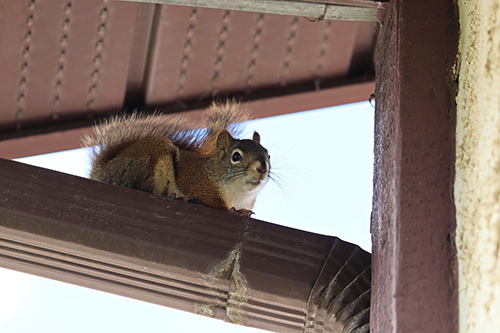
As the weather warms up, spring brings new life—and increased activity from squirrels looking for safe, dry places to nest. Unfortunately, your attic, roofline, or crawl space can become the perfect target. At Secured Environment Pest and Wildlife Services, we often see a spike in squirrel-related issues this time of year, especially as they search for shelter to raise their young. Taking preventative steps early in the season can save you from costly repairs and unwanted wildlife encounters later on.
Start by inspecting the exterior of your home. Squirrels are excellent climbers and can access your roof using nearby trees, fences, or even utility lines. Trim back branches so they are at least 6–8 feet away from your home, and take a close look at your roofline, vents, soffits, and fascia for any gaps or damage. Even a small opening can be enough for a squirrel to squeeze through. Installing durable vent covers and repairing loose shingles or holes is a key first step in keeping them out.
Next, eliminate food sources that may be attracting squirrels to your property. Bird feeders, pet food, unsecured trash bins, and even fallen fruit can draw them in and encourage them to stick around. Consider using squirrel-proof bird feeders and make sure garbage lids are tightly secured. Keeping your yard clean and free of debris also reduces hiding spots and nesting opportunities, making your property less appealing overall.
Finally, don’t ignore the warning signs of a potential problem. Scratching noises in the attic, chewed wires or wood, and droppings are all indicators that squirrels may already be inside. If you suspect an issue, it’s important to act quickly—but carefully—especially during spring when baby squirrels may be present. Professional wildlife control ensures safe, humane removal and proper exclusion to prevent re-entry. Secured Environment Pest and Wildlife Services is here to help you protect your home all season long with effective squirrel-proofing solutions and expert support.
*are required fields