
Corporate Office:
20 Corporate Park Drive Suite 150, Pembroke, MA 02359
Cambridge, MA Office:
2534 Massachusetts Ave, Cambridge, MA 02140
Woburn, MA Office:
1 Presidential Way Suite 102, Woburn, MA 01801
April 22, 2026
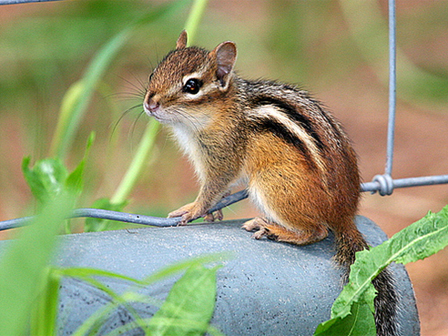
If you’ve noticed small, clean holes popping up in your yard or even near your home’s foundation, chipmunks are often the culprit. While they may look harmless—and honestly, kind of cute—these small animals can create surprisingly big problems when they start burrowing close to structures.
At Secured Environments Pest and Wildlife Services, we often get calls from homeowners wondering why their perfectly maintained lawn suddenly looks like it’s been lightly “peppered” with holes. The answer usually comes down to one thing: chipmunks are natural diggers.
Chipmunks dig for a few key reasons, and it all starts with survival. Their burrows are where they sleep, store food, and raise their young. These underground tunnel systems can be surprisingly complex, with multiple entrances and hidden chambers. A yard with loose soil, mulch, or easy digging conditions becomes the perfect place for them to settle in.
Food is another major reason they dig. Chipmunks are constantly collecting and storing nuts, seeds, and other small food sources. You might notice small holes appearing near bird feeders, gardens, or trees because those are prime feeding spots. They dig quickly, grab what they need, and move on—leaving behind small but noticeable damage.
The real concern for homeowners happens when burrowing activity gets close to foundations, walkways, or patios. Chipmunks naturally prefer sheltered areas with stability, which means they may dig along concrete edges, under steps, or near basement walls. Over time, this can create voids in the soil that may contribute to shifting, cracking, or water drainage issues around the home.
In gardens, their digging can uproot plants, disturb roots, and damage flower beds or vegetable patches. Even if the damage starts small, chipmunks are persistent, and activity often increases if the environment continues to provide food and shelter.
While chipmunks are not typically aggressive animals, their burrowing habits can make them a nuisance when they settle too close to human spaces. The key is identifying early signs such as small holes, loose soil piles, or repeated digging patterns along the same areas of your yard or foundation.
Managing chipmunk activity usually involves a combination of habitat modification and professional control methods. Reducing food sources, sealing entry points near structures, and addressing active burrows can help limit their presence and prevent long-term damage.
Chipmunks may be small, but their digging habits can have a big impact when left unchecked. Understanding why they dig is the first step toward protecting your yard and home from unnecessary damage.
For professional help with chipmunk activity or other wildlife concerns, contact Secured Environments Pest and Wildlife Services today.
*are required fields