
Corporate Office:
20 Corporate Park Drive, Suite 150
Pembroke MA 02359
Cambridge, MA Office:
2534 Massachusetts Ave,
Cambridge, MA 02140
January 23, 2026
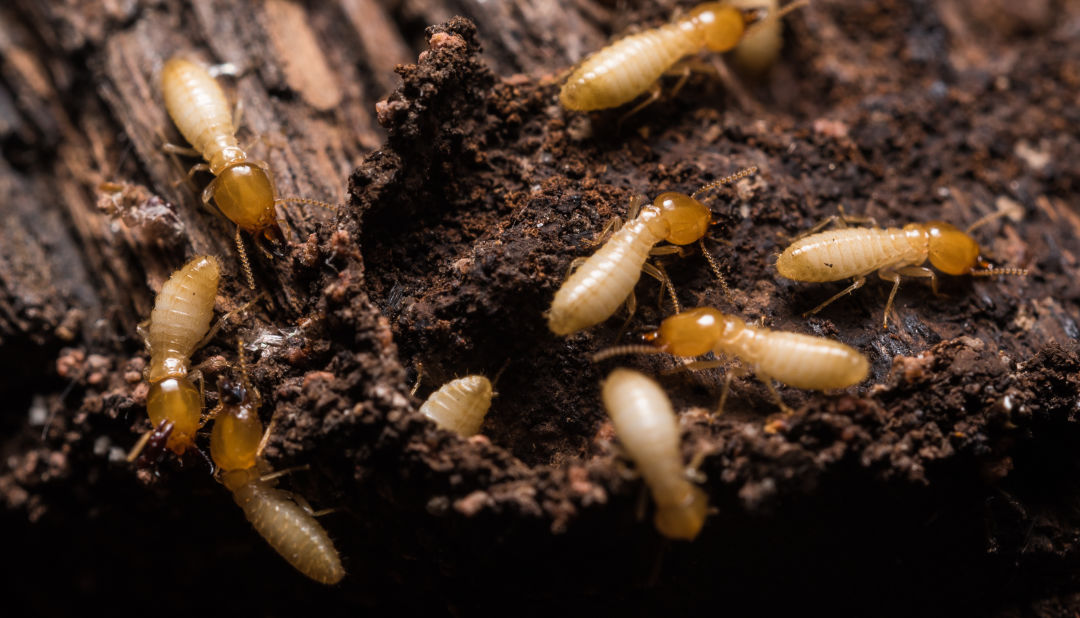
Termite behavior in colder months actually makes winter an excellent time for targeted control. Because termites tend to stay closer to their nests and move less far from food sources in winter, they’re more likely to encounter treatment stations placed nearby. This concentrated activity increases the likelihood that baits or barriers will be discovered and engaged by foraging termites.
Seasonal soil conditions also play a role: moist, stable soil in winter helps certain liquid termiticides bind and spread more effectively around your foundation, improving barrier performance. Meanwhile, termite colonies often cluster in predictable zones near moisture and warmth, giving professionals a clearer target during inspections.
Here’s how licensed pest professionals tackle termite challenges in winter — approaches backed by industry experience and data:
Liquid termiticides create a chemical barrier in the soil around your home’s foundation. When termites attempt to cross this barrier, they pick up a lethal dose that they can also transfer back into the colony. Because winter soil retains moisture and is less volatile than in hot weather, these treatments can be especially effective at maintaining consistent coverage.
Bait stations placed at regular intervals around the yard (often every 10–15 feet) use attractants that termites find irresistible. Once termites feed on the bait, they carry the slow‑acting poison back to the colony, helping eliminate the population from within. Winter’s restricted termite movement makes bait discovery more likely, improving the chances of broad colony impact.
Winter often brings damp conditions that termites exploit. Trained technicians seal cracks in foundations, gaps around pipes and vents, and other entry points to prevent termites from accessing structural wood. Controlling moisture — through improved drainage, dehumidifiers, and stormwater management — also removes an attractant that termites use to survive inside homes.
Routine inspections during winter help uncover subtle signs of termite activity that might otherwise be missed, like mud tubes along foundation walls, hollow‑sounding wood, or discarded wings near windows. Early detection allows pest experts to apply the right treatments before damage accelerates in spring.
DIY sprays or one‑time treatments may kill a few visible termites, but they rarely reach hidden colonies deep within soil or wood. Experts use precision tools, such as moisture meters and infrared imaging, to detect hidden activity and design a comprehensive treatment plan tailored to your home’s structure and infestation pattern.
This professional approach not only addresses current infestations but also reduces the risk of future issues, saving homeowners significant repair costs down the road. With termite damage costing homeowners billions annually if left unchecked, investing in expert winter treatment can protect both your home and peace of mind. If you’re concerned about termites this winter — or want to schedule a professional inspection and treatment plan — contact Secured Environment Pest and Wildlife Services for expert guidance and reliable protection.
*are required fields