
Corporate Office:
20 Corporate Park Drive, Suite 150
Pembroke MA 02359
Cambridge, MA Office:
2534 Massachusetts Ave,
Cambridge, MA 02140
January 28, 2026
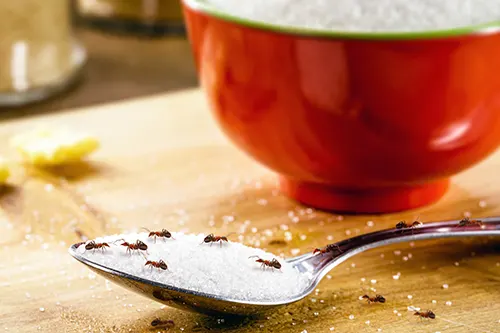
Many homeowners breathe a sigh of relief when the temperature drops, assuming ants and other pests disappear until spring. Unfortunately, that’s not entirely true. While ant activity slows outdoors during cold weather, colonies often move inside homes and buildings seeking warmth, food, and moisture. Ignoring winter ant problems can lead to significant structural damage, contamination risks, and costly infestations once spring arrives.
Research shows that ants adapt to cold temperatures by relocating their colonies to protected indoor environments, such as wall voids, insulation, and beneath floors. Carpenter ants, for example, remain active year-round when they nest inside heated homes, where temperatures typically stay between 68–72°F. (entomologytoday.org)
Once established indoors, colonies can multiply rapidly. According to a study published in the Journal of Economic Entomology, certain species like the odorous house ant (Tapinoma sessile) can reproduce even during winter if food and moisture are readily available. These colonies often go unnoticed until warmer weather triggers large swarms. (academic.oup.com)
Carpenter ants are among the most destructive indoor species. They don’t eat wood but excavate tunnels to build nests, weakening beams and frames over time. Left unchecked through winter, small infestations can evolve into major structural problems by spring.
Ants are drawn to kitchens and pantries in search of sugar, grease, and crumbs. They can contaminate food surfaces and packaging as they travel between waste areas and storage spaces, spreading bacteria in the process.
Winter colonies that go untreated can double or triple in size once temperatures rise. Studies show that early treatment in cooler months can reduce infestation severity by up to 60% compared to waiting until spring. (pestworld.org)
Professional pest control teams, like Secured Environments Pest and Wildlife Services, use targeted inspection and treatment strategies tailored for cold-weather infestations. Experts locate hidden nests using moisture meters, wall inspections, and baiting systems specifically designed to reach interior colonies. Treatments focus on eliminating the entire colony—not just visible trails—while addressing entry points and moisture conditions that attract ants in the first place.
Winter is also the ideal time for preventive treatments, as smaller colonies are easier to control and new infestations can be stopped before they spread outdoors in spring.
*are required fields