
Corporate Office:
20 Corporate Park Drive Suite 150, Pembroke, MA 02359
Cambridge, MA Office:
2534 Massachusetts Ave, Cambridge, MA 02140
Woburn, MA Office:
1 Presidential Way Suite 102, Woburn, MA 01801
April 15, 2026
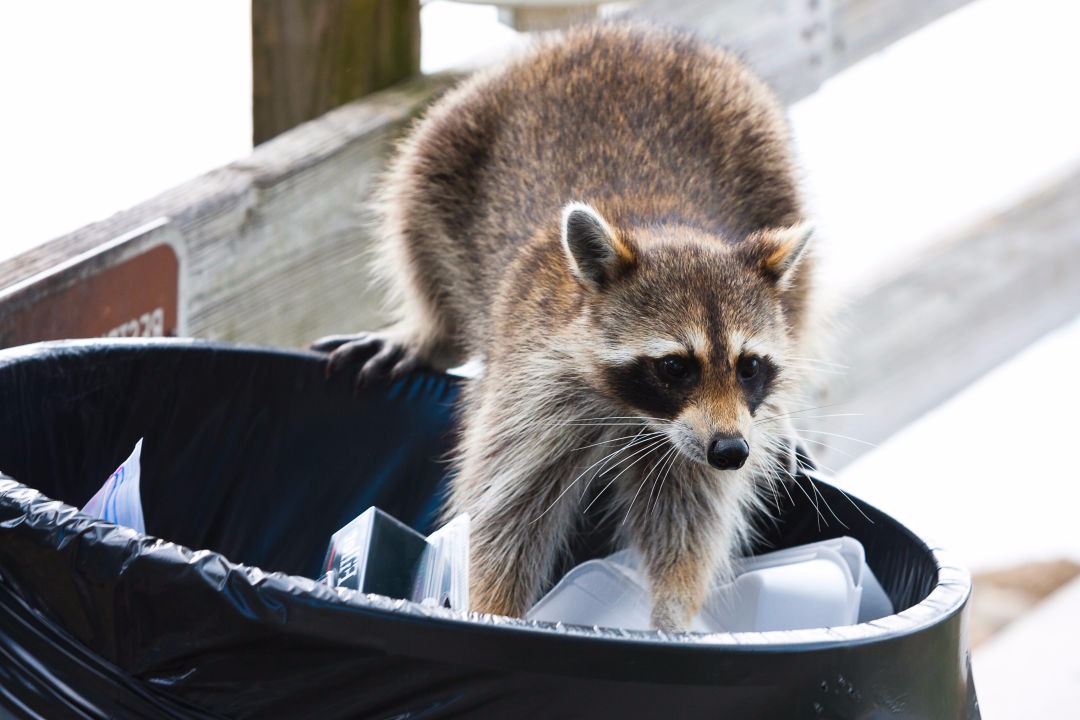
Raccoons may look harmless, but when they settle near your home or business, they can pose serious health risks. These animals often carry diseases, parasites, and bacteria that can affect people and pets. Understanding the dangers associated with raccoons is the first step toward protecting your property and maintaining a safe environment.
Raccoons are known carriers of several diseases that can be transmitted to humans and animals. One of the most concerning is rabies, a viral infection that affects the nervous system. Although not all raccoons carry rabies, any raccoon that appears aggressive, unusually friendly, or disoriented should be avoided.
Raccoons may also carry leptospirosis, a bacterial infection spread through urine-contaminated soil or water. This disease can lead to fever, headaches, and more serious complications if left untreated. Additionally, raccoons can transmit canine distemper, which is especially dangerous for unvaccinated dogs.
One of the most significant health concerns linked to raccoons is raccoon roundworm. This parasite is commonly found in raccoon droppings and can contaminate soil, decks, attics, and insulation. Humans can accidentally ingest microscopic eggs when handling contaminated materials or touching affected surfaces.
Children and pets are particularly vulnerable because they may play in areas where raccoons have been active. In rare cases, raccoon roundworm can cause serious neurological complications, making prompt cleanup and professional removal essential.
Raccoons often carry fleas, ticks, and mites that can spread to pets and even enter your home. Once introduced, these pests can create ongoing infestations. Ticks, in particular, may transmit additional illnesses, increasing the overall health risk.
When raccoons nest in attics, crawl spaces, or chimneys, they leave behind droppings, urine, and nesting materials. These contaminants can affect indoor air quality and introduce harmful bacteria. Over time, odors and allergens may build up, potentially triggering respiratory irritation for occupants.
Pets are often curious about wildlife, which increases the chance of direct contact. A raccoon may scratch or bite if it feels threatened, potentially spreading diseases. Even indirect exposure, such as drinking from contaminated water or encountering raccoon droppings, can put pets at risk.
The best way to reduce health risks is to prevent raccoons from settling on your property. Securing trash cans with tight-fitting lids helps eliminate easy food sources. Removing outdoor pet food and fallen fruit also reduces attraction. Sealing entry points in roofs, vents, and crawl spaces prevents access to indoor spaces. Keeping yards clean and free of debris limits potential nesting areas, and avoiding direct contact with raccoons or their droppings reduces exposure.
Handling raccoon infestations without proper training can increase exposure to health hazards. Professional wildlife specialists have the equipment and experience needed to safely remove raccoons, sanitize affected areas, and help prevent future problems.
Secured Environments Pest and Wildlife Services provides safe, effective raccoon control solutions designed to protect your home, family, and pets. From inspection and removal to cleanup and prevention, our team helps restore peace of mind.
Contact Secured Environments Pest and Wildlife Services today to address raccoon concerns and maintain a healthier environment.
*are required fields