
Corporate Office:
20 Corporate Park Drive Suite 150, Pembroke, MA 02359
Cambridge, MA Office:
2534 Massachusetts Ave, Cambridge, MA 02140
Woburn, MA Office:
1 Presidential Way Suite 102, Woburn, MA 01801
February 20, 2026
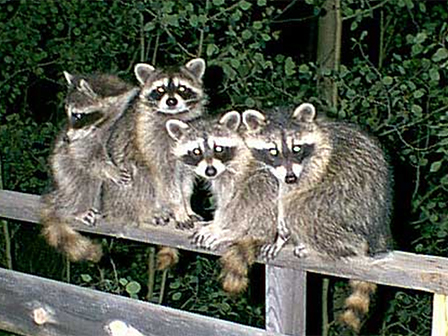
Winter may seem like a quiet time for wildlife, but raccoons remain active, searching for food and shelter. At Secured Environments Pest and Wildlife Services, we often see homeowners surprised by raccoons near attics, garages, and yards during colder months. While these animals may appear cute, encounters can carry serious health risks.
Raccoons are one of the primary carriers of rabies in the United States. Rabies affects the nervous system and can be fatal if not treated promptly after exposure. Even in winter, raccoons can transmit the virus through bites or scratches.
Raccoons carry various parasites, including roundworms, fleas, and ticks, which can infect humans and pets. Raccoon roundworm (Baylisascaris procyonis) is particularly dangerous because it can cause severe neurological damage if ingested accidentally from contaminated soil or surfaces.
Raccoons can carry bacteria like Leptospira, which spreads through urine. Contact with contaminated water, soil, or surfaces can lead to flu-like symptoms, kidney or liver issues in humans.
Raccoons seeking shelter in attics, chimneys, or garages often leave droppings, urine, and hair behind. This not only damages insulation and structures but also increases the risk of disease transmission to humans and pets.
Raccoons attract other pests, including fleas, ticks, and mites, which can spread additional diseases like Lyme disease or cat scratch fever.
Keep Your Distance: Never attempt to handle a raccoon, especially if it appears sick or aggressive.
Secure Trash and Food Sources: Remove attractants that may encourage raccoons to approach your property.
Seal Entry Points: Inspect vents, chimneys, and crawl spaces to prevent raccoons from entering your home.
Call a Professional: For safe, humane removal and decontamination, contact experts like Secured Environments Pest and Wildlife Services.
Winter raccoon encounters aren’t just a nuisance—they can be a serious health hazard. By taking precautions and contacting Secured Environments Pest and Wildlife Services, you protect your family, pets, and property from disease and damage.
*are required fields