
Corporate Office:
20 Corporate Park Drive Suite 150, Pembroke, MA 02359
Cambridge, MA Office:
2534 Massachusetts Ave, Cambridge, MA 02140
Woburn, MA Office:
1 Presidential Way Suite 102, Woburn, MA 01801
February 27, 2026
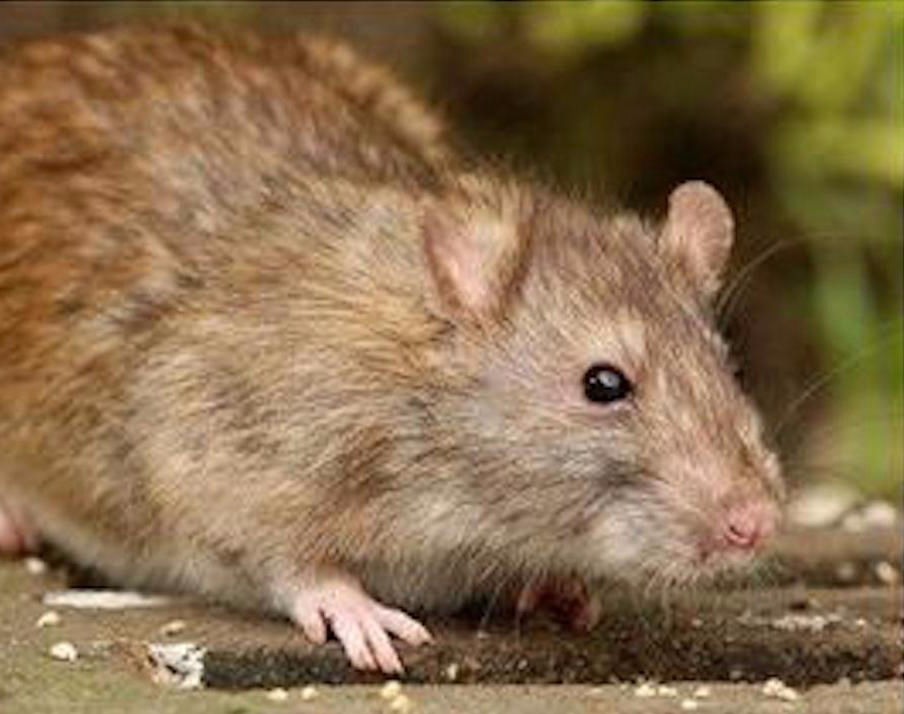
If you’ve seen one rat on your property, there is a strong chance you are dealing with more than just a single rodent. At Secured Environment Pest and Wildlife Services, one of the most common questions we hear is, “How fast do rats reproduce?” The answer is startling — and it explains why rat infestations can spiral out of control in a very short time.
Rats reproduce at an astonishing rate. A female rat can become pregnant at just five weeks old. She can give birth to six to twelve pups per litter and produce up to six litters per year. Even more alarming, she can become pregnant again within 24 hours of giving birth.
In ideal conditions, just one breeding pair of rats can turn into hundreds within a year. The two most common species found in residential and commercial settings are the Norway rat and the roof rat. Both species thrive in environments where food, water, and shelter are available, making homes and businesses perfect nesting grounds.
To understand how quickly an infestation grows, consider the numbers. If a female rat produces eight pups per litter and has five litters per year, that results in forty offspring annually. Roughly half of those may be females capable of reproducing themselves in just over a month.
Because rats reach sexual maturity so quickly and have short gestation periods of about 21 to 23 days, population growth becomes exponential. Within three to four months, a small unnoticed issue can become a significant infestation.
This rapid multiplication is why many property owners suddenly notice scratching noises in walls or ceilings, droppings appearing in multiple areas, or strong ammonia-like odors. By the time one rat is seen, a colony is often already well established.
Rats are biologically engineered for survival. Their short reproductive cycles, large litter sizes, and early maturity allow them to recover quickly from threats. They are highly adaptable and can live in attics, crawl spaces, garages, wall voids, and beneath foundations. Their ability to squeeze through openings as small as a quarter allows them to access structures with surprising ease.
Urban and suburban environments provide abundant food sources, from trash bins to pet food to unsecured storage. When food and shelter are readily available, reproduction accelerates even further.
Because rats multiply so rapidly, delaying treatment often makes the problem worse and more expensive to resolve. DIY traps and over-the-counter bait may remove a few individuals, but they rarely eliminate the breeding population hidden within walls or insulation. Meanwhile, new litters continue to be born.
Beyond structural damage from gnawing and nesting, rats pose serious health risks. They are known carriers of diseases such as Leptospirosis, Salmonellosis, and Hantavirus. Their droppings and urine can contaminate insulation, stored goods, and even HVAC systems, affecting indoor air quality and increasing health concerns for families and employees.
Electrical wires damaged by gnawing can also create fire hazards, adding another layer of risk to an already serious issue.
Due to the speed at which rats reproduce, early professional intervention is critical. Effective rat control requires identifying nesting sites, eliminating active populations, sealing entry points, and implementing preventative measures to stop future infestations.
At Secured Environment Pest and Wildlife Services, we understand the biology and behavior of local rodent populations. Our comprehensive approach focuses not only on removal, but on long-term protection to ensure your home or business remains secure.
If you suspect rat activity, acting quickly can prevent a small problem from becoming a large and costly infestation. When it comes to rats, time truly matters — because every day can mean another litter.
*are required fields