
Corporate Office:
20 Corporate Park Drive Suite 150, Pembroke, MA 02359
Cambridge, MA Office:
2534 Massachusetts Ave, Cambridge, MA 02140
Woburn, MA Office:
1 Presidential Way Suite 102, Woburn, MA 01801
March 10, 2026
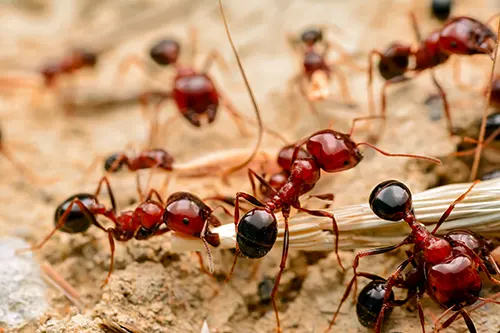
Ants might seem harmless at first, but a colony inside your walls can cause serious damage if left unchecked. At Secured Environment Pest and Wildlife Services, we often see homeowners confused about whether those tiny intruders are just passing through or have actually taken up residence. Recognizing the signs early can save your home and your peace of mind.
One of the most obvious signs of a colony is seeing lines of ants marching across your floors, counters, or along walls. These trails are usually a path to food or water, but if they continue appearing in the same area, it could indicate a nest hidden inside your walls.
Some ants, like carpenter ants, don’t eat wood—they excavate it. Look for small piles of sawdust-like material near baseboards, window frames, or inside wall cracks. These are called “frass” and are a strong indicator of a colony inside your structure.
It might sound unusual, but large ant colonies can sometimes be heard. Carpenter ants, for instance, create faint rustling or tapping sounds as they move through wooden structures. If you notice this at night or when it’s quiet, it’s worth investigating.
Seeing winged ants inside your home, especially during spring or summer, often signals a nearby colony. These are reproductive ants leaving the nest to start new colonies. If you notice them near windows, vents, or in attics, your walls may already be housing a colony.
Over time, ant activity inside walls can weaken wooden structures. Soft spots, hollow-sounding wood, or tiny holes in walls and beams are warning signs that your home could be at risk.
If you suspect ants have colonized your walls, don’t wait. Attempting DIY removal often only addresses the surface problem and allows the colony to persist or relocate deeper into your home. The team at Secured Environment Pest and Wildlife Services specializes in locating hidden colonies and providing safe, effective removal methods to protect your home.
Protect your home today. Early detection and professional treatment are key to preventing structural damage and long-term infestations. Contact Secured Environment Pest and Wildlife Services for a thorough inspection and peace of mind.
*are required fields