
Corporate Office:
20 Corporate Park Drive, Suite 150
Pembroke MA 02359
Cambridge, MA Office:
2534 Massachusetts Ave,
Cambridge, MA 02140
September 24, 2026
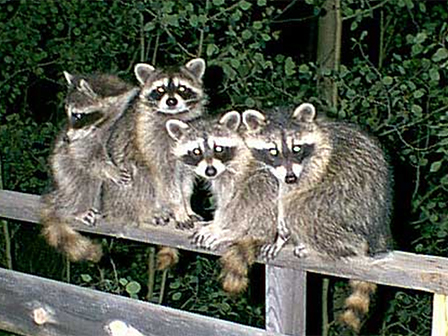
As fall temperatures begin to drop, raccoons start looking for warm, protected places to rest and shelter themselves from the cold. Although raccoons do not truly hibernate, they become less active during periods of cold weather and may remain inside a sheltered den for several days at a time.
Unfortunately, your home can provide an appealing shelter. Attics, chimneys, crawl spaces, garages, and other protected areas can offer raccoons the warmth and security they need as winter approaches.
Raccoons need to conserve energy when temperatures fall. They may search for dens that provide protection from wind, rain, snow, and freezing conditions. Natural shelters can include hollow trees, rock crevices, and abandoned burrows, but residential properties can also become attractive options.
Homes provide several advantages for wildlife, including warmth and easy access to food sources. Once a raccoon discovers a convenient entry point, it may return repeatedly or establish a den inside the structure.
Raccoons are excellent climbers and can find their way into surprisingly small openings. Around homes, they may seek shelter in:
Attics are particularly attractive because they are elevated, relatively quiet, and protected from outdoor weather.
Raccoons are primarily nocturnal, so homeowners may hear them moving around after dark. Scratching, thumping, or scurrying noises coming from an attic, chimney, or wall can indicate wildlife activity.
Other signs may include damaged vents, torn roofing materials, droppings, tracks, or visible entry holes. Spotting a raccoon repeatedly near your roof or garbage cans may also indicate that your property is providing easy access to food or shelter.
Fall is an excellent time to inspect your property for potential wildlife entry points. Check rooflines, vents, chimneys, soffits, and other vulnerable areas for gaps or damage. Keeping garbage containers securely closed and removing outdoor food sources can also make your property less attractive to raccoons.
However, do not seal an opening if you suspect a raccoon or other animal is already inside. Doing so could trap the animal indoors or separate a mother from her young.
If you hear wildlife in your attic or discover signs of raccoon activity, professional wildlife services can help determine how the animals are getting inside and identify an appropriate removal and exclusion approach.
Secured Environments Pest and Wildlife Services can help homeowners address raccoon problems and protect their properties from future wildlife intrusions. Contact us for professional wildlife inspection, removal, and prevention services before cold weather drives more raccoons toward potential shelter.
*are required fields