
Corporate Office:
20 Corporate Park Drive Suite 150, Pembroke, MA 02359
Cambridge, MA Office:
2534 Massachusetts Ave, Cambridge, MA 02140
Woburn, MA Office:
1 Presidential Way Suite 102, Woburn, MA 01801
August 27, 2026
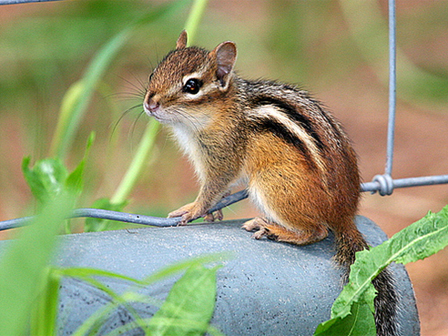
If you've noticed more chipmunks around your home in late summer, you're not alone. Chipmunk activity can become more noticeable during this time of year as these small rodents take advantage of abundant food sources and prepare for the colder months ahead.
While seeing an occasional chipmunk may not be a concern, increased activity around your home could indicate that your property provides easy access to food, shelter, or suitable burrowing areas.
Late summer is an important time for chipmunks. They spend much of their time foraging for food and storing resources that will help them survive through the winter.
Your yard may provide plenty of attractive food sources, including:
Landscaping features can also make your property appealing. Rock walls, woodpiles, dense vegetation, sheds, decks, and other structures can provide hiding places or areas where chipmunks can establish burrows.
Although chipmunks do not truly hibernate, they spend the colder months in underground burrows and become much less active. Before winter arrives, they may increase their foraging activity and gather food to store in their burrows.
This can make chipmunks seem especially active around homes during late summer and early fall.
Chipmunks are generally not aggressive animals, but large numbers can become a nuisance. Their burrowing can disturb gardens, lawns, landscaping, and areas around patios, retaining walls, and foundations.
Chipmunks may also enter garages, sheds, crawl spaces, or other areas if they find an accessible opening. Once wildlife begins using a structure for shelter, simply removing the animal may not solve the underlying problem.
Keep an eye out for signs that chipmunks are becoming more established around your property. These can include small holes or burrows near foundations, patios, retaining walls, gardens, or other protected areas.
You may also notice repeated chipmunk activity around bird feeders, gardens, woodpiles, or areas where food is readily available.
You can reduce the appeal of your property by limiting easy food and shelter sources. Keep birdseed in secure containers, clean up fallen fruit and nuts, remove unnecessary wood or debris piles, and maintain vegetation around structures.
It's also important to inspect your home and outbuildings for potential entry points. Sealing appropriate openings can help prevent wildlife from moving into areas where it doesn't belong.
If chipmunk activity continues despite your prevention efforts, professional wildlife control may be the best solution.
An increase in chipmunk activity during late summer doesn't necessarily mean you have a serious infestation. However, repeated sightings, numerous burrows, or signs of animals entering your home should not be ignored.
Secured Environments Pest and Wildlife Services can help identify what is attracting chipmunks to your property and determine the appropriate approach for addressing the problem. Professional wildlife services can focus on both the immediate issue and prevention strategies to help reduce future activity.
If you're seeing more chipmunks around your home in late summer, contact Secured Environments Pest and Wildlife Services for professional help protecting your property.
*are required fields