
Corporate Office:
20 Corporate Park Drive, Suite 150
Pembroke MA 02359
Cambridge, MA Office:
2534 Massachusetts Ave,
Cambridge, MA 02140
May 22, 2026
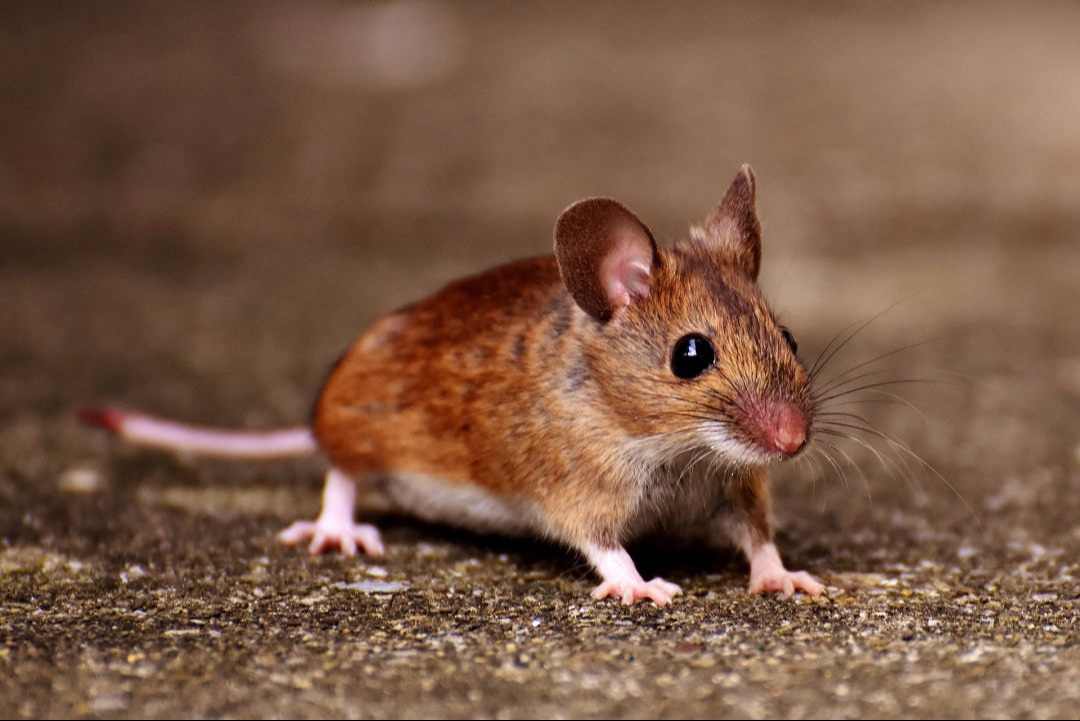
Outdoor environmental conditions play a major role in rodent activity inside homes and businesses. Mice and rats constantly search for food, water, and shelter, and changing outdoor conditions often push them toward indoor spaces where those resources are easier to find.
As temperatures drop during cooler months, rodents begin searching for warm and protected nesting areas. Homes, garages, attics, and basements provide ideal shelter from cold weather, making indoor infestations more common during seasonal transitions.
Heavy rainfall and flooding can also increase rodent activity indoors. When burrows and outdoor nesting areas become saturated, rodents often move into buildings to escape wet conditions and find dry shelter. Even small openings around foundations, utility lines, doors, and windows can provide access points.
Outdoor food availability also impacts rodent behavior. Unsecured garbage bins, pet food, bird feeders, fallen fruit, and outdoor dining areas can attract rodents closer to homes and businesses. Once rodents establish activity near a property, they are more likely to find ways inside.
Overgrown landscaping, wood piles, dense shrubs, and cluttered outdoor areas create excellent hiding and nesting spots for rodents. Vegetation touching the structure can also act as a pathway that allows rodents easier access to roofs, siding, and entry points.
Preventative measures such as sealing gaps, reducing outdoor clutter, maintaining landscaping, and scheduling regular inspections can significantly reduce the risk of indoor rodent infestations. Professional rodent control services from Secured Environments Pest and Wildlife Services help identify vulnerabilities and provide long-term protection against mice and rats.
Contact Secured Environments Pest and Wildlife Services today to learn more about professional rodent prevention and control solutions.
*are required fields