
Corporate Office:
20 Corporate Park Drive Suite 150, Pembroke, MA 02359
Cambridge, MA Office:
2534 Massachusetts Ave, Cambridge, MA 02140
Woburn, MA Office:
1 Presidential Way Suite 102, Woburn, MA 01801
September 11, 2026
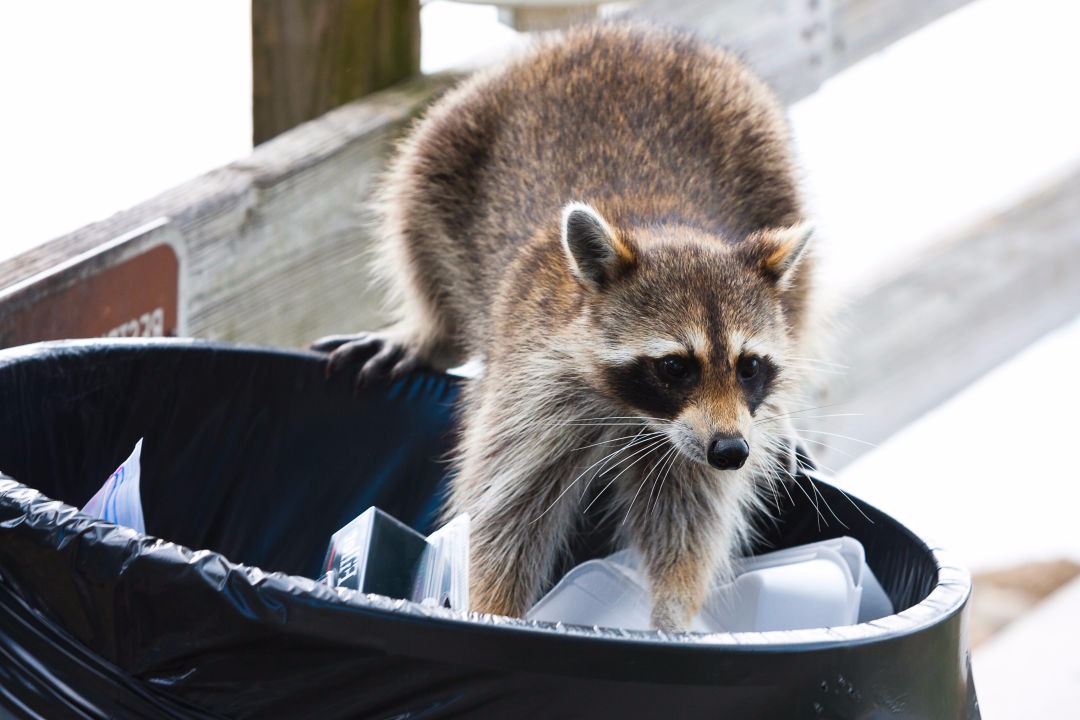
Raccoons are skilled at finding ways into buildings, particularly around roofs, attics, chimneys, and other vulnerable areas. If raccoons have entered your property, simply removing the animal may not prevent the problem from happening again. Identifying and addressing access points is an important part of long-term wildlife control.
Secured Environments Pest and Wildlife Services provides professional wildlife inspections to help homeowners identify areas where raccoons may be entering a structure.
During a wildlife inspection, professionals can examine areas where raccoons commonly gain access, including rooflines, soffits, vents, chimneys, damaged roofing materials, and gaps around exterior structures.
They can also look for signs of activity that may indicate how raccoons are getting inside.
Not every entry point is easy to spot from ground level. Raccoons can take advantage of damaged materials or relatively small openings to reach sheltered areas.
A professional inspection can help identify less obvious vulnerabilities and determine whether there are multiple access points that need attention.
Once potential entry points are identified, wildlife professionals can recommend appropriate exclusion and repair measures. Addressing the access points helps reduce the chance of raccoons returning after removal.
Professional planning is especially important when wildlife may be nesting or when sealing an opening could trap an animal inside.
If you hear unusual noises in your attic, notice signs of wildlife activity, or suspect raccoons are accessing your home, a professional inspection can help determine the source of the problem.
Secured Environments Pest and Wildlife Services can inspect your property, identify potential raccoon access points, and recommend appropriate wildlife control solutions to help protect your home.
*are required fields