
Corporate Office:
20 Corporate Park Drive, Suite 150
Pembroke MA 02359
Cambridge, MA Office:
2534 Massachusetts Ave,
Cambridge, MA 02140
June 30, 2026
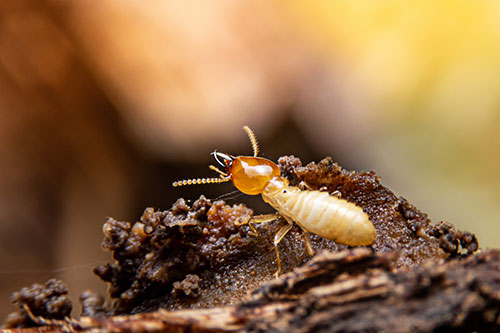
Termites are among the most destructive pests a homeowner can face, and one of the reasons they are so dangerous is how easily they can get into a home without drawing attention. Unlike pests that leave obvious signs right away, termites often invade quietly, working behind walls, beneath floors, and inside wooden structures long before a homeowner realizes there is a problem. By the time visible damage appears, the infestation may already be well established.
One of the most common ways termites enter a home is through the soil around the foundation. Subterranean termites, which are responsible for much of the termite damage seen in homes, live underground and build mud tubes to travel between their colony and a food source. These pencil-sized tunnels help them stay protected from dry air and open exposure while giving them direct access to wooden framing, support beams, crawl spaces, and other structural areas of the home. Because these mud tubes are often hidden along foundations, behind landscaping, or inside crawl spaces, they can be easy to miss.
Termites can also gain access through tiny cracks and gaps in a home’s foundation, expansion joints, utility entry points, or areas where wood comes into contact with the soil. Even a small opening can be enough for termites to move in undetected. Once inside, they begin feeding on wood and other cellulose-based materials from the inside out, which means homeowners may not see the damage until it becomes more advanced. In many cases, the outer surface of wood still looks normal even as termites hollow out the interior.
Moisture problems can also make it easier for termites to invade and stay hidden. Leaky pipes, poor drainage, clogged gutters, and humid crawl spaces create the damp conditions termites are drawn to. Wood that stays moist is especially appealing to them, and homes with excess moisture around the foundation or under the structure may face a higher risk of infestation. Mulch beds, stacked firewood, wooden fences, and untreated exterior wood can also help termites get closer to the home and increase the chances of them finding a way inside.
Because termites are so skilled at staying out of sight, regular inspections are one of the best ways to catch an infestation early. Homeowners may not notice warning signs until there is visible wood damage, sagging areas, blistering paint, or mud tubes in exposed areas. A professional termite inspection can identify hidden activity, vulnerable entry points, and conditions around the property that may be attracting termites in the first place. Secured Environments Pest and Wildlife Services provides thorough termite inspections and effective treatment solutions to help homeowners stop termite activity before it leads to costly damage.
*are required fields