
Corporate Office:
20 Corporate Park Drive Suite 150, Pembroke, MA 02359
Cambridge, MA Office:
2534 Massachusetts Ave, Cambridge, MA 02140
Woburn, MA Office:
1 Presidential Way Suite 102, Woburn, MA 01801
October 15, 2026
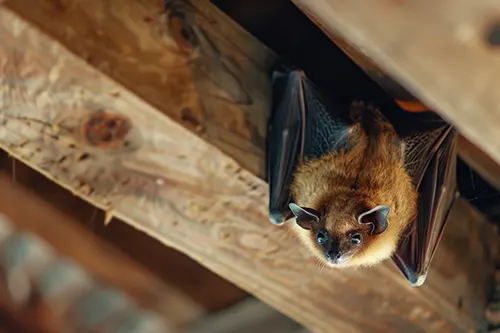
As Halloween approaches, strange noises in the attic might sound like something out of a scary movie. However, scratching, squeaking, or fluttering sounds overhead may point to a real problem: bats living in your attic or another part of your home.
Bats can enter through small openings in roofs, eaves, vents, and other areas of a building. Once inside, they may roost in quiet, sheltered spaces where they can remain unnoticed for some time. Recognizing the warning signs early can help you determine when it's time to seek professional assistance.
At Secured Environments Pest and Wildlife Services, we understand that discovering unwanted wildlife in your home can be unsettling. Knowing what to look for is an important first step toward addressing a potential bat problem safely.
Unusual sounds are often among the first clues that wildlife may be occupying an attic. If you hear light scratching, squeaking, fluttering, or rustling sounds, especially around dusk or dawn, bats could be one possible explanation.
Bats are generally more active around sunset, when they leave their roosts to search for food. You may notice sounds near rooflines or attic spaces as they become active. However, other animals, including mice, squirrels, and birds, can make similar noises. A professional inspection can help identify the source.
Bat droppings, known as guano, may accumulate beneath roosting areas, along attic surfaces, or near openings where bats enter and exit. These droppings can resemble those of other animals, so appearance alone may not confirm a bat infestation.
Accumulated guano can create sanitation concerns and may contribute to unpleasant odors. Avoid sweeping or vacuuming suspected bat droppings yourself, as disturbing contaminated material can expose you to potentially harmful particles. A qualified professional can assess the situation and recommend appropriate cleanup measures.
Seeing bats flying around your property at night does not automatically mean they are living inside your home. However, if you repeatedly notice bats emerging from the same roofline, attic vent, or gap near the eaves, there may be a roost nearby.
Pay attention to recurring flight patterns and possible entry points without approaching or disturbing the animals. These observations can provide useful information for a professional wildlife inspection.
A persistent, musty, or ammonia-like smell coming from the attic may indicate an accumulation of animal waste. Although bats can contribute to these odors, moisture problems, other wildlife, and poor ventilation may also be responsible.
If the smell continues or becomes stronger, avoid entering a potentially contaminated area without appropriate precautions. An inspection can help determine the cause and whether wildlife removal and cleanup are necessary.
Bats can squeeze through surprisingly small gaps, depending on the species and the opening. Damaged roof edges, loose fascia boards, gaps around vents, and openings near roof intersections may provide access to sheltered attic spaces.
Look for possible entry points from a safe location outside your home. Do not seal a suspected opening while bats may still be inside. Doing so can trap them within the structure and create additional problems. Proper bat exclusion involves identifying entry points and using appropriate methods to allow the animals to leave before access is permanently closed.
If you notice several of these warning signs, avoid attempting to catch, handle, or remove the bats yourself. Bats can bite or scratch when handled, and potential exposure to rabies should always be taken seriously. Keep children and pets away from the affected area.
Contact a qualified pest and wildlife professional to assess the activity, identify potential entry points, and determine the appropriate next steps. Depending on the findings, the process may involve humane exclusion, sealing access points at the proper time, and addressing any accumulated waste.
Timing matters, too. Young bats may be unable to fly during certain periods, so exclusion must account for the species, local regulations, and seasonal conditions. A professional can help determine a suitable approach that protects both your household and the animals.
If someone has been bitten or scratched by a bat, or may have had direct contact with one, wash the affected area thoroughly with soap and running water and seek urgent medical advice about rabies exposure. Do not wait for symptoms to develop.
Strange attic noises may be unsettling, but you don't have to guess what's causing them. Recognizing the signs of possible bat activity and addressing the issue promptly can help protect your home from further damage and sanitation concerns.
Secured Environments Pest and Wildlife Services can help homeowners address unwanted wildlife concerns with a focus on identifying the problem and determining appropriate control measures. If you suspect bats are roosting in your attic, contact Secured Environments Pest and Wildlife Services to discuss an inspection and the next steps toward a safer, wildlife-free home.
*are required fields